Well done to all parents out there who have been thrown into Home Schooling. You are doing a great job! I have been doing a lot of thinking about this recently and feel strongly that parents should not be feeling so much pressure from the Government and media that their children may be falling behind because they aren’t at school or that they aren’t doing a good job.
I wanted to offer some reassurance that children’s whole day at home is often filled with learning opportunities that parents will probably be filling with natural teaching but possibly don’t realise how good you are?
I will also give you my 9 practical takeaways.
Is there any evidence of this at the moment? I had a look around on Google and found this article
https://www.bbc.co.uk/news/education-53947982
which says that nearly all teachers said that children were three months behind in the curriculum. I wondered if that was more a reflection of what the teachers haven’t been able to teach as yet because children haven’t been in school as opposed to children being ‘behind’ in terms of attainment.
As far as I am aware there is no way of measuring children’s attainment at the moment. If this is the case then there is no firm evidence to back this up and it may be that being ‘behind’ is referring to parts of the curriculum that haven’t been taught yet in school but it might have been taught by parents at home.
After all, as a parent, you are your child's first and most important teacher in life. Is it fair to say that children are ‘behind’ when children may well be thriving at home? Parents may have engaged in child-led learning even if it is unwittingly. I mean parents may be giving their children more time to play, knowing that (particularly primary aged children) learn rapidly this way. When I say unwittingly, you may naturally encourage your children to pursue what they are interested in and as a result, have already covered parts of the curriculum that have not been formally taught yet…. You just don’t realise it.
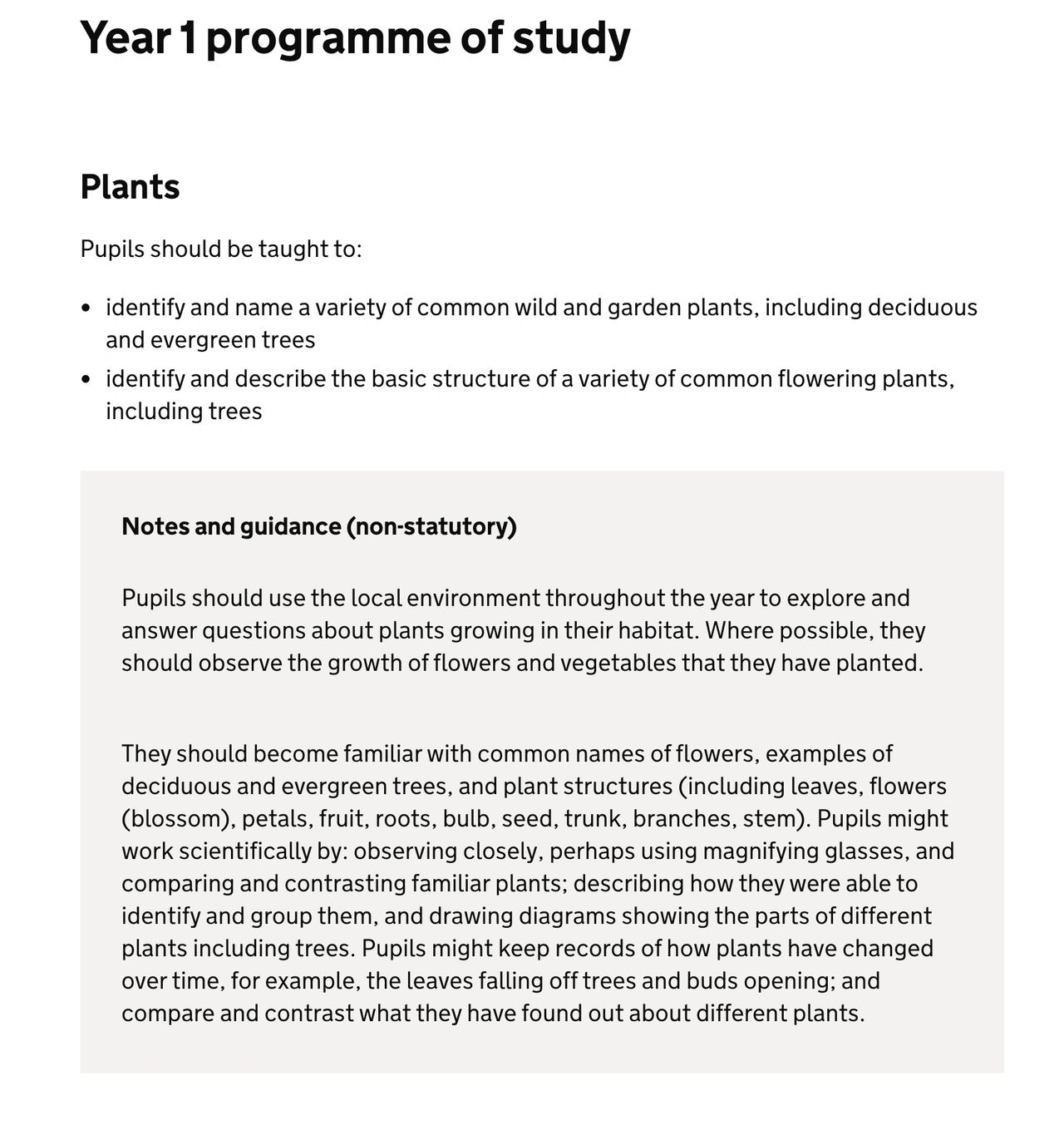
What about the Mum, Dad, or significant adult in their life who go for a walk in the woods with their children regularly. They may consider this an everyday activity but it is in fact a fantastic learning environment that they are offering their children. They will chat and answer their children’s questions about nature, explore together, try things out to see what happens, make plans to build a bridge, a den, collect nature treasures which leads to more questions. Learning this way is rapid and hugely engaging for children. By the end of ‘lockdown' children may have already covered most of the science curriculum.
What about the Mums and Dads who give children the opportunity to play as part of their school day, knowing that this is the best way for children to continue learning?
Sometimes learning to be independent and playing on their own, sometimes with a sibling if they have one, it’s great to learn to do both; including resolving conflict. They have more time to develop physical skills when they are mobile rather than sitting in a chair at a desk. Playing out in the garden reduces sensory overload. Screaming and shouting inside is louder because it vibrates off the walls, this is less outside which often calms children. If they have more outdoor play times at home as opposed to school, they breathe in fresh air which again is calming. Children need to move especially some boys, who desperately need to run, jump, swing (what some call let off steam) so more opportunities at home may be currently being offered.
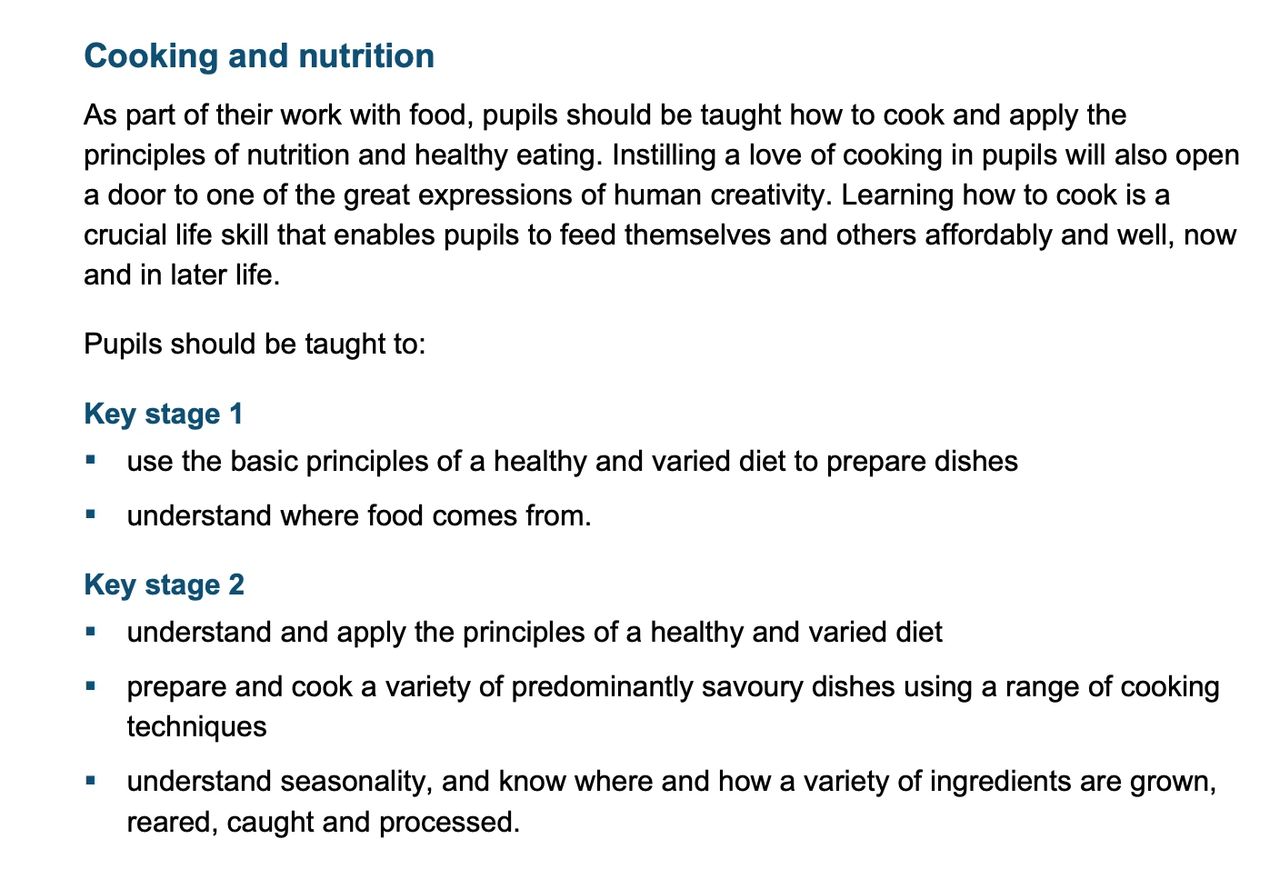
Children may be particularly interested in making, yet at school maybe only get a chance to do DT once every so often. At home some children may be given the opportunity to get box modelling out every day, planning, evaluating, refining. Organic learning like this spreads into all parts of the curriculum, they may have to do some measuring to refine their model. A child who is not into maths will find a way to measure because they are driven by purpose. This is meaningful exploration to them, it’s going to get them to the next stage of understanding.
The children who just want to get into Dad’s (or Mum’s in my case) tool shed and use a hammer or a saw. They have a clear plan in their head they just need to get going. This is where Grandparents are so amazing; making in the toolshed, cooking, reading, crafts all fantastic activities that are so rich in learning for children and fun! It takes time to follow children’s interests and sometimes you have to work which is where the wider family can maybe help. Children can learn so much from our older generation just as they taught us when we were young. They were our first teachers too! Parents can’t do it all, they have other responsibilities like work.
What about the parents who have more storytime with children?
Those who talk to children about books, let children choose what they want to read rather than being given a school reading book. This small action of children choosing the book they read themselves can be so powerful in motivating children to be interested in books. Children may have taken some time to use books or the computer to find out more about how to make their den stronger or what the name of their woodland treasures are extending their learning further…all powered by their own desire to find out.
These children may well be nailing some of the reading curricula?
This is all valuable and precious learning whether it is in the curriculum or not so I suppose my message to parents is to value their ability to teach. You know your child well, you know what they are interested in, how long they can concentrate before they need a break. Teaching in this way often doesn’t feel like learning because there is no resistance from children but this is a good thing, right?
The area of the curriculum that may be being missed during ‘lockdown’ is the social and emotional element. Children will be missing friends and building relationships through play. This is an absolutely crucial part of children's development and ‘lockdown’ has prevented children from seeing each other and playing together which may have had a negative effect on their wellbeing.
This is why children migrate on to online games such as Fortnite so that they can continue to communicate with friends. I honestly don’t think this is necessarily a bad thing as this is such an important part of children’s emotional development. Peter Gray an expert in Child Development and Education is unable to find any strong research to suggest that online gaming has a negative effect on children. Having said this, it’s not good for children’s physical development being crouched over for long periods of time.
Maybe schools are better focusing on this when we eventually come out of lockdown rather than raising anxiety over catching up with the National Curriculum.
Blue sky thinking ….. ?
Just maths and english and the rest taught through play. (I’m on your side teachers… you have too much to teach).
Children’s emotional wellbeing could also be affected by being told that there is a worry that they are falling behind. Some parents will feel anxious and transfer this to their child. Children believe what their parents say whether it is an anxiety provoked response or the truth.

I don’t think parents should be worried about children falling behind. In fact, I think many children will be thriving at home it’s just we don’t hear about it in the media. If you are a ‘lockdown home school parent’ this is not easy but be kind to yourself and try and identify all those little pockets of fabulous teaching and learning that your children get every day.
Just because we can’t tick a box to say children have completed part of the curriculum doesn’t mean to say your child doesn’t have this knowledge. It means we need to accept that some learning we just can’t, or don’t, need to measure we just know it’s there. Sometimes we get so obsessed with ticking boxes that we miss the simple learning opportunities that present themselves in everyday life.
I hope this has helped some of you out there. That was my aim.
Have a lovely weekend and I hope you are able to get outside for a walk or a play in nature.
Sally x